6 Most Breathable Hiking Shirts For Hot Weather Trails
Author:Andy
|
Released:January 25, 2026
Tired of feeling like a wet sponge halfway up the mountain? A bad shirt turns a sunny hike into a sweaty nightmare. Don't let a heavy, sticky top ruin your day. Here are the 6 best shirts to keep you cool, dry, and moving in the heat.
Synthetic Vs. Merino: Which Lightweight Hiking Shirts Win?
Before we jump into specific picks, you need to know what you're putting on your back. In the heat of summer, your choice usually boils down to two materials: polyester (synthetic) or Merino wool.
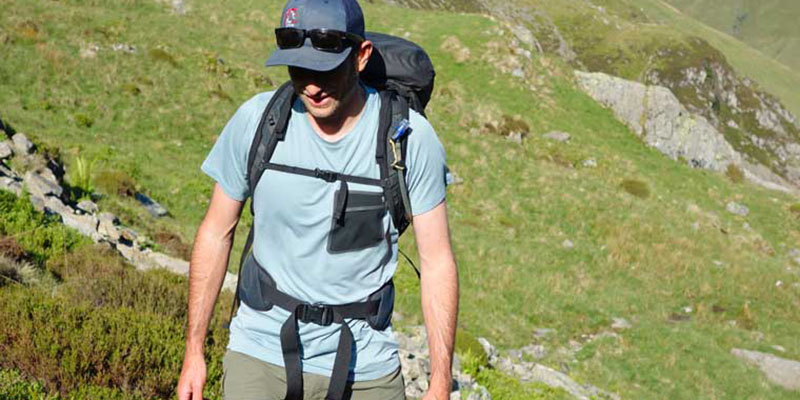
Most lightweight hiking shirts are made of polyester or nylon. Why? These fabrics don't hold onto water. When you sweat, the moisture moves to the outside of the fabric and evaporates. This keeps you feeling light. On the other hand, Merino wool is great for odor control, but it can get heavy when it's soaked in sweat.
If you are hiking in a humid place like the Southeast, go with a synthetic hiking shirt. If you are in a dry, desert climate, a thin Merino blend might feel more comfortable against your skin.
1. The Classic Vented Button-Down
If you want to look like a pro and stay cool, the vented button-down is a top choice. These shirts usually have a large flap on the back with a mesh lining underneath. Every time a breeze blows, air goes straight to your skin.
Why it works:
- Mechanical Venting: You can unbutton the front for instant airflow.
- Collar Protection: Flip the collar up to keep the sun off your neck.
- Durability: These are usually made of tough nylon that won't tear when you brush against thorns.
This hiking shirt style is perfect for long days in the sun when you need maximum protection but don't want to bake.
2. The Technical Sun Hoodie
In the last few years, the Sun Hoodie has become the most popular style of lightweight hiking shirt on the Pacific Crest Trail. It sounds counterintuitive to wear a hood in the heat, but it works.
The fabric is paper-thin. By covering your arms and head, you stay cooler because the sun isn't hitting your skin directly. It's like carrying your own personal patch of shade. Look for one with thumb holes to keep the sleeves over the backs of your hands—a spot most people forget to sunscreen.
3. The Silver-Ion Performance Tee
Ever notice how some shirts smell like a locker room after just one mile? That's because bacteria love synthetic fabrics. To fix this, many brands now treat their lightweight hiking shirts with silver ions or Polygiene.
This treatment stops the bacteria from growing. It doesn't make the shirt more breathable, but it means you can wear it for a three-day backpacking trip without offending your hiking partners. If you hate doing laundry or want to carry less gear, this is the tech to look for.
4. The Mesh-Panel Hybrid
Some shirts are hybrids. They use a solid fabric on the chest and shoulders for sun protection, but switch to a wide-open mesh under the arms and down the back.
This is the sports car of the hiking world. It's designed for high-output activities like trail running or steep climbs. If you know you're a heavy sweater, look for a hiking shirt that has these visible mesh zones. It makes a massive difference when you're wearing a backpack, as it allows the heat trapped between your back and the pack to escape.
5. The Ultralight Merino Blend
Pure wool is often too hot for a 90-degree day. However, a blend—usually 80% Merino and 20% Nylon—is a game changer. The nylon gives the shirt strength and helps it dry faster, while the wool keeps it soft and fresh.
These lightweight hiking shirts feel much better against the skin than plastic-feeling polyesters. They are great for people with sensitive skin who get rashes from cheap synthetic fabrics. Just be prepared to pay a bit more for the quality.
6. The Budget-Friendly Grid Fabric
You don't always have to spend $80 on a shirt. Many budget options use a grid or pique knit. If you look closely at the fabric, you will see a tiny pattern of holes or bumps.

This texture keeps the fabric from sticking to your skin. Even when it's wet, the shirt stays lofted off your body, allowing air to circulate in the gaps. It's a simple, low-tech way to stay cool that athletes have used for decades.
Key Features To Check Before You Buy
Now that you know the types, how do you pick the right one? Don't just look at the color. Check these three things:
UPF Rating (Sun Protection)
A white cotton t-shirt only has a UPF of about 5. That means sun rays are going right through it. A good hiking shirt should have a UPF rating of 30 or 50. This is basically wearable sunscreen. The [Skin Cancer Foundation] recommends UPF clothing as a primary way to prevent skin damage while outdoors.
Seam Placement
Look at the shoulders. Are the seams sitting right on top? If you wear a heavy pack, those seams will rub against your skin and cause blisters or pack rash. Look for offset seams that sit slightly forward or back from the shoulder point.
The Fit Factor
In the winter, you want tight clothes to trap heat. In the summer, you want a loose fit. A baggy hiking shirt creates a chimney effect, where hot air rises up and out of the neck hole, pulling cool air in from the bottom. If you're between sizes, go up.
How To Care For Your Lightweight Hiking Shirts
You've spent money on a nice shirt; don't ruin it in the wash.
- Skip the Fabric Softener: This is the most important rule. Fabric softener coats the fibers in a waxy layer. This plugs up the holes that allow the shirt to breathe. If you use it, your high-tech shirt will start feeling like a plastic bag.
- Wash Cold: High heat can damage the elastic fibers in stretchy shirts.
- Air Dry: These shirts dry so fast you don't need a dryer. Just hang it up, and it'll be ready in an hour.
Ready To Hit The Trail?
Picking the right hiking shirt is the easiest way to make your summer trips more fun. Instead of focusing on how hot you are, you can actually enjoy the view. Whether you go for a high-tech sun hoodie or a simple vented button-down, the goal is to keep the air moving and the sun off your skin.
Before your next trip, take a look at your current gear. If your go-to shirt is a heavy cotton tee, it's time for an upgrade. Compare a few lightweight hiking shirts online or head to a local shop to feel the fabrics for yourself. You'll notice the difference the moment the first breeze hits you on the trail. Stay cool out there!
Related Posts
Outdoor Gear
Backpacking Sleeping Bags for Warmth and Weight Savings

Outdoor Gear
Outdoor Hiking in Winter: How to Pick the Right Insulated Jacket
Guides and Tips
Best Hiking Shoes for Comfort, Grip, and All-Day Support
Outdoor Gear
Hiking Tech Safety Gear: Top Smart Devices Reviewed
Outdoor Gear
Waterproof Hiking Boots With Latest Tech (2026 Picks)

Guides and Tips